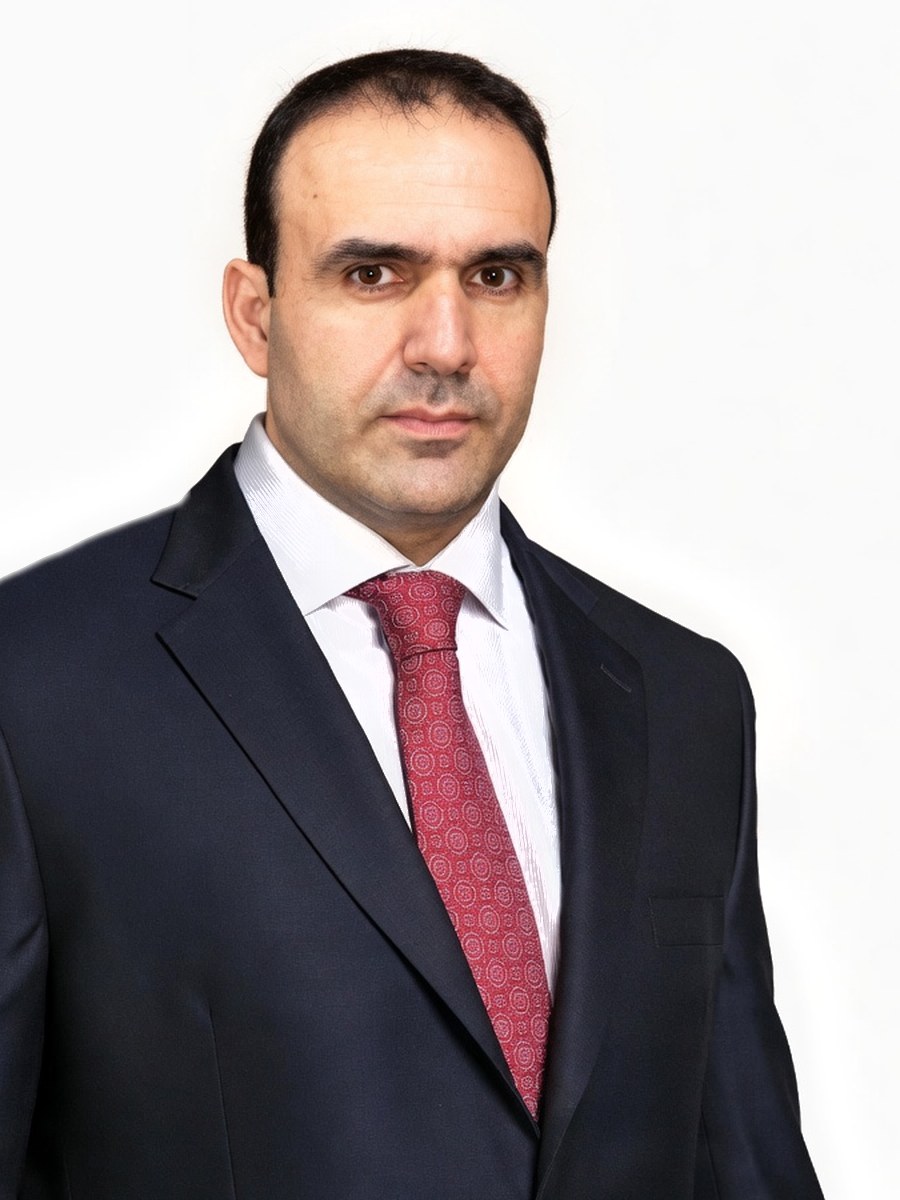
Lawyer
Francisco González Fernández
White-collar crime and complex offencesSome commercial matters cross into criminal law one day. When that happens the defence is not improvised: it is prepared from the first day the file starts pointing that way.
- Practice
- White-collar crime and complex offences
- Based in
- Benidorm · Alicante
- Profile
- Criminal lawyer · Own practice
- Works with
- Directors, boards and companies under investigation
Why a corporate firm keeps a criminal lawyer
There is a line almost nobody sees until they cross it. A director who uses company funds, an insolvency someone decides to arrange to suit themselves, an invoice documenting something that never happened: matters that begin at a board meeting and end before an investigating judge. When that happens, the defence cannot be improvised, and it cannot be left to whoever was handling the contract.
Francisco takes on those matters. Not as a last-minute reinforcement, but from the first day it becomes clear the file has criminal legs, which is while decisions can still be taken rather than merely explained.
Two matters that explain his craft
The two most closely followed proceedings in this province in recent years have had him in the room, and on opposite sides of it. That is not an anecdote: it is what separates a lawyer who knows criminal procedure from the inside from one who has only ever seen it from one shore.
The murder of the mayor of Polop. Alejandro Ponsoda, mayor of Polop de la Marina, was shot at the door of his home in Xirles in October 2007. Twelve years later, seven defendants faced a jury at the Provincial Court of Alicante. Francisco defended one of them. The defence argued that the investigation had dragged on to the point of prejudicing the accused, and that the only direct evidence, the statement of a protected witness, did not hold: the police themselves had stopped using him as an informant before the killing. In February 2020 the jury acquitted all seven for want of sufficient evidence, pointing precisely to the lack of credibility of that testimony.
The Callosa group sexual assault. In the proceedings known as «la manada de Callosa», over events on New Year's morning 2019 in Callosa d'en Sarrià, Francisco acted for the victim as private prosecutor. In 2021 the Second Section of the Provincial Court of Alicante sentenced the four defendants to between fourteen years and two months and eighteen years in prison, as perpetrators of sexual assault and necessary accomplices in those committed by the others, with an added conviction for two of them for recording the events.
An acquittal and a conviction. What they have in common is not the outcome but the work: building the case on the evidence that actually exists, rather than on the evidence one would like to have.
Where his craft lies
He practises in Benidorm and his work is markedly international, which is what this coast imposes: a good part of the proceedings he handles carry a foreign element, whether through the nationality of the parties, where the assets sit, or which court claims first. That ground, proceedings with two legal systems in play, is his.
What he works on
- CompanyBreach of director duties and company-law offences: defending the director and the company itself, which are not always on the same side.
- InsolvencyCriminal insolvency and asset stripping, when the winding up of a company comes to be seen through criminal law.
- EconomicMoney laundering, fraud and offences against property in a business setting.
- ProsecutionActing as private prosecutor when the company or the person is the one suffering the offence, not committing it.
- Cross-borderEuropean arrest warrants and extradition, and assistance to anyone sought by a court in another State.
- PreventionCompliance programmes, which is the part of the work that exists so the defence never has to be run.
How he works with us
Francisco is a lawyer with his own practice and works with Veredum on the matters that call for it. Aurelio Serrano García, who handles civil and banking litigation, practises at that same firm, so a matter that starts in the civil courts and ends in the criminal ones, or the other way round, stays in the same hands.
That means two things worth saying plainly: first, that when he comes in he does so as trusted counsel, and you are told before anything starts who will be involved and why; second, that the conduct of your matter never changes hands without your knowing.
When it is worth calling him
When you receive a summons as a suspect and the matter concerns the company. When a deal that was running as a commercial matter starts to smell like a criminal complaint. When your company is the injured party and someone has to decide whether to press charges. And, above all, before giving evidence: the first statement shapes the whole proceeding more than any later filing.